How to Clean Suede Shoes?

How to Clean Suede Shoes?

To clean suede shoes, start by preparing the shoes before cleaning, including dry brushing, erasing stains, dealing with water and salt stains, restoring the suede's texture, and guarding against future stains. Use suede-specific tools such as a suede brush, suede eraser, microfiber cloth, white vinegar, cornstarch or talcum powder, and a suede protector spray to clean safely without damaging the delicate nap. 

Different stains require different treatments dirt and mud should be cleaned only after drying, water stains should be blended by evenly rewetting the affected area, oil and grease should be absorbed with cornstarch or talcum powder, and salt, food, and drink stains respond best to diluted white vinegar followed by gentle brushing. 

Although the same cleaning principles apply to suede boots, sneakers, trainers, and branded footwear, each suede shoe type should be cleaned according to its construction and materials. Regular brushing, proper drying, correct storage, and routine application of a suede protector help maintain the suede's appearance and extend the life of the shoes.

  • Step 1: Prep Your Shoes Before Cleaning

Start by unlacing the suede shoes and taking out the insoles so you can sanitize those parts independently without transferring excess moisture or dirt to the upper suede. If your suede shoes are currently damp from rain or spills, allow them to air dry completely at room temperature (65-75°F) before touching them. Attempting to scrub wet suede forces surface dirt deeper into the porous hide and causes permanent distortion to the natural grain. Always review the care label provided by the manufacturer to identify any specific warnings or unique material blends that might react poorly to standard cleaning methods.

  • Step 2: Start With a Dry Brush

Use a dedicated suede brush exclusively on dry shoes to lift loose dirt and prepare the nap for subsequent stain treatments. Work the brush in short strokes following one consistent direction with light pressure so the fibers rise without becoming flat or damaged. Select the brass side of your suede cleaning brush for heavy, embedded dirt, and reserve the softer crepe or rubber side for gentle finishing. While a standard soft brush works well to keep suede clean between deeper cleaning sessions, rely on these specialized bristle sides for heavier buildup, keeping in mind that basic dry brushing alone may not remove stubborn stains.

  • Step 3: Erase the Stains

Rub a suede eraser or a clean pencil eraser over light scuffs, friction marks, and surface stains. Concentrate your movements exclusively on the affected spot, moving the eraser gently in one direction rather than scrubbing aggressively back and forth to protect the delicate fibers from wearing down. When a specialized shoe eraser is unavailable, a clean pencil eraser works well for minor marks. Apply controlled friction to pull embedded particles out of the fiber matrix, ensuring you do not tear or thin out the suede. Once the stain lifts, brush the area thoroughly to sweep away rubber crumbs and align the nap, moving to a controlled wet treatment only if the eraser fails to remove the mark.

  • Step 4: Deal With Water and Salt Stains

Treat water marks and alkaline salt crusts using targeted dabbing techniques that prevent tide rings. For water spots, lightly dampen the entire affected suede panel so the visible stain edge blends seamlessly into the surrounding material, using a microfiber cloth to wipe from the perimeter inward toward the center. For salt residue, dilute one part white vinegar with two parts water and dab the crusted area gently without soaking the suede, allowing the acidic solution to dissolve the mineral deposits. Always let the suede shoe air dry completely in a well-ventilated space away from direct heat sources before using a gentle brush to clear residual marks and smooth the nap.

  • Step 5: Restore Suede’s Texture

Re-activate matted, flattened, or stiffened suede fibers after cleaning by using gentle steam once the shoes are completely dry. Hold the footwear roughly eight inches away from a garment steamer or boiling kettle so warm vapor reaches the nap without soaking the material or melting internal structural glues. Immediately brush the warm fibers back and forth with a soft suede brush to lift crushed nap and recover the soft velvety texture. If the nap remains flat after the initial pass, repeat the steam and brushing process carefully until the full dynamic depth of the material returns.

  • Step 6: Guard Against Future Stains

Lock in your work by applying an even coat of high-quality suede protector spray once the shoes are thoroughly clean, restored, and dry. Hold the aerosol container at the distance recommended on the product label (eight inches away) and mist a light layer over the entire upper without saturating the hide. Leave the shoes to cure undisturbed in a ventilated area for at least eight hours before wearing them. Reapply this protective barrier every few weeks during regular use or after a deep clean, keeping in mind that while protector spray significantly reduces daily exposure to oil and moisture, it does not render suede entirely waterproof against wet weather.

What Tools and Products Are Used for Cleaning Suede Shoes?

Tools used for cleaning suede shoes include a dual-sided suede brush, a suede eraser, and soft microfiber cloths, while products include distilled white vinegar, cornstarch or talcum powder, and a specialized suede protector spray. Furthermore, utilizing a suede shoe cleaner helps break down deep-seated dirt and tough stains without oversaturating the delicate leather, while cedar shoe trees preserve the suede shoe's shape and absorb excess moisture during the drying process. Together, these tools and products clean, restore, and protect suede to keep it looking fresh.

Tools:

  • Dual-Sided Suede Brush: Features soft bristles to brush away light dust and stiff wire/rubber bristles to lift flattened nap and tackle dried mud.

  • Suede Eraser / Crepe Eraser: Works like a pencil eraser to gently rub away set-in scuffs and stubborn dry stains without damaging the texture.

  • Microfiber Cloth: Ideal for gently dabbing liquid cleansers onto the shoe, blotting up moisture, and wiping away lifted grime.

  • Cedar Shoe Trees: Helps maintain the shoe's shape while cleaning and absorbs excess moisture and odor while the suede dries.

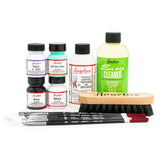
  • Suede Cleaning Kit: An all-in-one package that typically includes a specialized brush, eraser, and cleaning solution tailored specifically for suede care.

Cleaning products:

  • White Vinegar: Acts as a mild, safe acid solution when diluted to lift salt rings, water spots, and tough stains without discoloring the material.

  • Cornstarch or Talcum Powder: Quickly draws out fresh liquid or oil stains by absorbing the grease directly from the suede fibers overnight.

  • Suede Cleaner: A specifically formulated liquid or foam designed to deep-clean suede without stiffening or altering the delicate texture.

  • Suede Protector Spray: Creates an invisible, water- and stain-repellent barrier over the shoes to guard against future spills and weather damage.

How Do You Remove Different Types of Stains From Suede Shoes?

Different types of stains are removed from suede shoes using specific cleaning methods such as brushing, rewetting, applying absorbent powders, or using diluted vinegar, depending on the stain. Dirt and mud should be brushed away only after drying, water stains require even rewetting, oil and grease respond best to absorbent powders, and salt, food, and drink stains can be treated with diluted white vinegar followed by air drying and gentle brushing to restore the suede shoe’s texture.

How to Remove Dirt Stains from Suede Shoes?

To remove dirt stains from suede shoes, make sure the shoes are completely dry before cleaning, then brush away the loose dirt with a suede brush, use a suede eraser, treat stubborn stains with vinegar, and restore the texture. Following these steps ensures that dirt is removed effectively while preserving the delicate nap and appearance of the suede.

Follow the steps below to remove dirt stains from suede shoes:

  1. Check that the suede shoes are fully dry before brushing, as cleaning damp suede forces wet dirt deeper into the fibers and makes the stain significantly harder to remove.

  2. Use the brass bristle side of a suede brush to break up embedded dirt using light, consistent strokes in the direction of the nap, then finish with the crepe or rubber side to smooth the surface.

  3. If light dirt traces remain after your initial brushing, gently rub the area with a suede eraser or a clean pencil eraser to lift the particles before brushing away the leftover rubber residue.

  4. If brushing and erasing do not fully remove the stain, lightly dab the affected area with a microfiber cloth dampened with a 50:50 mixture of white vinegar and water. Avoid soaking the suede, and let the shoes air dry completely.

  5. Once the suede is completely dry, brush the cleaned area one last time with a soft suede brush to lift the nap and restore the soft, velvety texture.

How to Remove Mud Stains from Suede Shoes?

You can remove mud stains from suede shoes by allowing the mud to dry completely, brushing away the hardened residue, using a suede eraser to remove remaining marks, treating stubborn discoloration with diluted white vinegar, and restoring the suede's texture. These steps remove dried mud without forcing dirt deeper into the suede fibers or damaging the delicate nap.

Here are the steps you can follow to remove mud stains from suede shoes:

  • Leave the footwear in a cool, well-ventilated space overnight so the mud transforms into a dry, brittle crust that can be removed without smearing.

  • Use the brass bristle side of a suede brush or a stiff-bristled brush to gently break up and flake away the hardened mud crust using firm, short strokes along the natural grain.

  • Rub a dedicated suede eraser or a clean pencil eraser over any remaining dark outlines to lift embedded dirt particles out of the fiber matrix.

  • If faint discoloration remains, lightly dab the spot using a microfiber cloth dampened with a 50/50 mixture of white vinegar and water, taking care not to saturate the hide.

  • Brush the entire panel with the soft crepe side of your suede brush once the material is fully dry to lift flattened fibers and bring back a uniform texture.

How to Remove Water Stains from Suede Shoes?

To remove water stains from suede shoes, lightly rewet the entire stained suede panel, blend the moisture evenly with a microfiber cloth, absorb excess water, allow the shoes to air dry naturally, and restore the suede's texture with a soft suede brush. Evenly rewetting the affected panel blends the stain into the surrounding suede and helps eliminate visible water rings that occur when only one area dries unevenly.

Below are the steps to remove water stains from suede shoes:

  • Lightly moisten a clean microfiber cloth with room-temperature water and gently wipe the entire panel containing the water stain, working from the outer edges inward.

  • Continue dabbing and wiping evenly across the surface until the visible perimeter ring dissolves and the entire panel shows a uniform level of dampness.

  • Press a clean, dry microfiber towel or paper towel firmly against the damp suede to absorb excess water without aggressively rubbing the delicate fibers.

  • Stuff the inside of the shoes with clean paper or shoe trees to hold their shape, then allow them to air-dry fully at room temperature, away from radiators, direct sunlight, or hairdryers.

  • Brush the dry suede with a soft crepe brush using short, consistent strokes to separate stiffened fibers and restore the soft, velvety finish.

How to Remove Oil and Grease Stains from Suede Shoes?

You can remove oil and grease stains from suede shoes by blotting excess oil, absorbing the grease with cornstarch or talcum powder, brushing away the residue, treating any remaining stain with diluted white vinegar, and restoring the suede's texture. Unlike dirt or water stains, oil and grease must be absorbed from the suede fibers before additional cleaning methods are used to prevent the stain from becoming permanent.

Follow the steps below to remove oil and grease stains from suede shoes:

  • Press a dry paper towel or microfiber cloth gently against fresh grease to absorb surface oil without rubbing or spreading the spot outward.

  • Cover the oil stain generously with cornstarch or talcum powder, pressing it lightly into the surface so it can draw grease out from deep within the hide.

  • Leave the powder undisturbed on the stain for at least 8 to 12 hours so it can fully absorb the trapped oils from the suede matrix.

  • Sweep away the caked powder using a soft suede brush, repeating the powder application if a faint oil shadow still remains.

  • Dab any faint remaining grease mark with a cloth lightly dampened with white vinegar, let the shoe air dry completely, and brush the nap back into position.

How to Remove Salt Stains from Suede Shoes?

To remove salt stains from suede shoes, combine distilled white vinegar with lukewarm water, use a clean microfiber cloth, use a fresh damp section, let the shoes dry, and work a soft suede brush over the dried area. This approach gently lifts salt residue without damaging delicate suede fibers, helping maintain the suede shoe’s appearance and texture.

Here are the steps to remove salt stains from suede shoes:

  • Combine one part distilled white vinegar with two parts lukewarm water to create a gentle acidic liquid that safely breaks down alkaline salt crusts.

  • Dip a clean microfiber cloth into the vinegar solution, wring out excess liquid so it is barely damp, and gently dab the white salt rings from the outer edges inward.

  • Use a fresh, damp section of the cloth to wipe away the loosened salt minerals without soaking or saturating the underlying hide.

  • Let the shoes dry completely at room temperature in a well-ventilated area away from direct heat sources to prevent stiffening or cracking.

  • Work a soft suede brush over the dried area in gentle, sweeping motions to break up any remaining stiffness and restore the natural, soft texture.

How to Remove Food and Drink Stains from Suede Shoes?

To remove food and drink stains from suede shoes, blot the spill immediately, allow the affected area to dry if needed, remove any remaining marks with a suede eraser, treat lingering stains with diluted white vinegar, and restore the suede shoe's texture with a suede brush. Prompt treatment prevents liquids from penetrating deeper into the suede fibers and increases the likelihood of removing the stain without causing permanent discoloration.

Steps to remove food and drink stains from suede shoes include:

  • Press a dry microfiber cloth or paper towel directly against liquid spills to lift surface moisture without smearing sticky residues across the material.

  • Let sticky food remnants or sugary liquid spots air dry completely before attempting any further cleaning, as scrubbing wet food spreads discoloration.

  • Rub a suede eraser or a clean pencil eraser over the dried stain using light, controlled strokes to lift dried food particles out of the nap.

  • Dampen a microfiber cloth with a 50/50 mix of white vinegar and water, then gently dab lingering dye or sugar marks until the stain lightens and dissolves.

  • Allow the shoes to air dry thoroughly at room temperature, then brush the treated area with a soft suede brush to lift flattened fibers back into place.

How Do You Clean Different Types of Suede Footwear?

You can clean different types of suede footwear by brushing away loose dirt, removing stains with a suede eraser or diluted white vinegar, allowing the footwear to air dry completely, and restoring the nap with a suede brush. While the core cleaning method remains the same, suede boots require attention to shafts and trim, sneakers and trainers need separate cleaning for rubber and mesh components, and branded or specialty footwear should be cleaned according to their specific materials and construction.

How to Clean Suede Boots?

Clean suede boots by brushing away loose dirt, treating stains with a suede eraser or diluted white vinegar, cleaning the shaft from top to bottom, allowing the boots to air-dry completely, and applying a suede protector spray. Cleaning the shaft, seams, and leather trim separately helps maintain the suede boots' appearance without damaging the delicate suede.

  • Remove loose dirt from the entire boot using a suede brush, working from the shaft down toward the toe in the direction of the nap.

  • Clean stains with a suede eraser first, then use a microfiber cloth dampened with a 50:50 mixture of white vinegar and water if marks remain.

  • Wipe leather trim, eyelets, and other non-suede components separately using a clean, slightly damp cloth.

  • Allow the boots to air dry completely at room temperature, away from direct heat or sunlight.

  • Brush the suede once dry to restore the nap, then apply a light, even coat of suede protector spray before wearing the boots again.

How to Clean Suede Sneakers?

To clean suede sneakers, brush away loose dirt, remove stains with a suede eraser or diluted white vinegar, clean the rubber sole separately, allow the sneakers to air dry completely, and restore the suede with a suede brush. Cleaning each material separately helps preserve the suede while keeping the entire sneaker looking clean.

  • Brush the suede upper with a suede brush to remove loose dirt and dust.

  • Remove stains with a suede eraser, then dab stubborn marks with a microfiber cloth lightly dampened with a 50:50 mixture of white vinegar and water.

  • Clean the rubber sole and midsole separately using a damp cloth and a small amount of mild soap.

  • Let the sneakers air-dry completely at room temperature, away from direct heat.

  • Brush the dry suede to restore the nap, then apply a suede protector spray for added stain and water resistance.

How to Clean Suede Trainers?

To clean suede trainers, unlace the shoes, brush the suede overlays carefully, clean the mesh sections separately, remove scuff marks with a suede eraser, allow the trainers to air dry completely, and restore the suede trainers' texture with a suede brush. Separating the suede from mesh or synthetic materials during cleaning prevents moisture transfer and helps preserve the appearance and performance of each material.

  • Brush the suede overlays carefully with a soft-bristled brush, taking care not to snag or fray nearby mesh panels.

  • Spot-clean athletic mesh sections with a barely damp microfiber cloth while keeping liquid away from the surrounding suede.

  • Use a suede eraser on high-friction areas around the lace eyelets and toe cap where athletic wear creates scuffs.

  • Let the trainers air dry completely at room temperature before restoring the nap with gentle brushing.

How to Clean White Suede Shoes?

Clean white suede shoes by brushing away loose surface dirt, then lift scuffs with a suede eraser, treat stubborn marks with diluted white vinegar, let the shoes air dry completely, and finish by restoring the nap with a soft suede brush. Prompt cleaning prevents stains from setting into the light-colored material and preserves their bright appearance without causing discoloration.

  • Avoid using liquid vinegar solutions or excess water, which can leave faint yellow rings or dark water spots on pale suede.

  • Dust light powder like cornstarch onto surface marks and let it absorb oil or moisture before brushing it away thoroughly.

  • Use a clean, dedicated white suede eraser to lift scuffs, ensuring the eraser itself contains no dark dye or residual dirt.

  • Spray a generous coat of suede protector immediately after cleaning to prevent future stains from setting into the bright material.

How to Clean Black Suede Shoes?

To clean black suede shoes, gently sweep away surface dust with a soft crepe brush, erase scuffs with a dark or dye-free suede eraser, spot-treat stubborn marks with diluted white vinegar, allow the shoes to air-dry naturally, and restore the nap to preserve their deep color. Limiting harsh liquid exposure and avoiding aggressive wire bristles prevents color stripping and keeps the black suede from fading or turning gray.

  • Brush the uppers gently using a soft rubber crepe brush rather than stiff brass bristles to clear dust without pulling or wearing down dark fibers.

  • Rub a clean, dedicated black or dye-free suede eraser over scuff marks using light, controlled strokes to lift surface imperfections without scuffing the finish.

  • Dab set-in stains with a microfiber cloth barely dampened in a 50/50 mix of white vinegar and water, using minimal liquid to prevent color leaching.

  • Allow the shoes to air dry completely at room temperature in a shaded, well-ventilated area away from direct heat and sunlight.

  • Brush the dry suede lightly with a soft brush to raise the nap, then apply a light mist of black-friendly suede protector to seal in color and repel moisture.

How to Clean Suede Ugg Boots?

You can clean suede UGG boots by brushing away loose dirt, spot-cleaning stains with a suede eraser or a diluted white vinegar solution, allowing the boots to air dry naturally, and restoring the suede's texture with a soft suede brush. Because UGG boots have a suede exterior and a genuine sheepskin lining, avoiding excessive moisture helps protect both materials and maintain the boots' shape and softness.

  • Brush the suede exterior gently with a suede brush to remove loose dirt and surface dust.

  • Remove scuff marks and light stains with a suede eraser, then dab stubborn stains with a microfiber cloth lightly dampened with a 50:50 mixture of white vinegar and water.

  • Avoid soaking the suede or allowing moisture to reach the sheepskin lining.

  • Let the boots air-dry completely at room temperature, away from direct heat and sunlight.

  • Brush the dry suede with the soft side of a suede brush to restore the nap and finish with a suede protector spray designed for sheepskin and suede.

How to Clean Adidas Suede Shoes?

Clean Adidas suede shoes by unlacing them to access the full upper, dry-brushing away surface dirt along the natural nap, erasing scuffs around high-friction areas like the toe box and leather three-stripes, spot-treating rubber soles separately, and restoring the suede's velvety texture once dry. Taking care to isolate the rubber cup soles prevents transferring midsole grime onto the colored suede panels during cleaning.

  • Unlace the Adidas suede shoes and remove the insoles to clean them separately and ensure complete access to the upper paneling.

  • Brush the suede uppers gently with a soft suede brush along the natural grain to sweep away dust and loose street grit.

  • Rub a clean suede eraser over scuffs near the toe box, heel tabs, and around the edges of the leather three-stripes.

  • Wipe the signature rubber cup soles or gum soles with a damp cloth and mild soap, keeping moisture strictly off the adjacent suede.

  • Let the Adidas suede shoes air dry naturally at room temperature, then brush the suede nap back into alignment and apply a light mist of suede protector spray.

How to Clean New Balance Suede Shoes?

To clean New Balance suede shoes, unlace the sneakers, gently dry-brush each suede overlay individually, erase scuffs around high-friction areas like the toe mudguard and heel counter, spot-clean adjacent mesh panels and foam midsoles separately, and restore the nap once completely dry. Isolating the delicate multi-material layers prevents moisture from spreading dirt across the upper and keeps the technical overlays looking pristine.

  • Unlace the shoes and insert shoe trees or clean paper stuffing to keep the multi-panel upper firm while working.

  • Brush each suede panel gently using short, precise strokes along the natural grain to avoid snagging neighboring synthetic mesh windows.

  • Rub a clean suede eraser over scuffs around the toe cap, lace stays, and heel overlay where daily wear creates friction marks.

  • Wipe the foam midsole and rubber tread separately using a damp microfiber cloth and mild soap, keeping excess liquid away from the suede edges.

  • Allow the sneakers to air dry thoroughly at room temperature, then brush the suede nap back into alignment and mist with a protective spray.

Can You Wash Suede Shoes?

Yes, you can wash suede shoes, but they should not be machine washed or fully submerged in water, as water can shrink the material, strip the color, and ruin the texture. Soaking suede permanently leaches natural oils from the hide, causing it to stiffen, crack, and lose its velvety nap while dissolving internal glues. 

Instead of traditional immersion, safely clean suede using targeted dry-cleaning methods like brushing away dirt, erasing scuffs, absorbing oils with powder, or spot-treating marks with diluted white vinegar. For liquid messes, use a specialized low-moisture suede shampoo applied only with a lightly damp, soft-bristled brush, followed by reshaping with shoe trees, natural air-drying, and a protective waterproofing spray to shield the delicate nap.

Can You Wash Suede Shoes With Water?

No, you should avoid washing suede shoes directly with water whenever possible, as excessive water saturates the porous hide, leading to stiffening, dark water rings, and color bleeding as the dyes run. If you must use moisture for tough stains, apply only a barely damp microfiber cloth or a specialized low-moisture suede cleaner, and ensure the shoe dries evenly at room temperature, away from direct heat, to prevent the leather from warping or shrinking.

Can You Put Suede Shoes in a Washing Machine?

No, you should never put suede shoes in a washing machine because the combination of complete submersion, aggressive agitating cycles, and harsh detergent permanently ruins suede by stripping its natural tanning oils, causing the upper to shrink, crack, and lose its velvety nap. Additionally, the spinning motion can break down internal adhesives and warp the suede shoe's structural integrity. Suede must always be cleaned by hand using dedicated dry-cleaning tools.

What Happens if Suede Gets Wet?

When suede gets wet, the water penetrates its delicate fibers and pulls out the natural oils as it evaporates, leaving the material dry, stiff, and brittle. Unfiltered water or sudden rain exposure often creates dark tide marks, ring-shaped stains, and color fading across the upper. If your suede shoes get wet, immediately dab away excess moisture with a dry microfiber cloth, stuff them with paper towels to hold their shape, and allow them to air dry naturally before brushing the nap back into place.

How Often Should You Clean Suede Shoes?

You should clean your suede shoes after every two to three wears to remove settling dust and prevent grit from embedding into the nap. A deeper clean, including scuff erasing and spot-treating stains, should be done every one to two months depending on wear frequency and weather exposure. Additionally, apply a fresh coat of suede protector spray every three to four months to maintain an effective barrier against water and oil-based spills.

How Do You Restore Suede After Cleaning?

To restore suede after cleaning, allow the shoes to dry completely, lift the flattened nap with a suede brush, remove any remaining shiny spots with a suede eraser, and finish by applying a suede protector spray. Restoring the nap after cleaning helps return the suede's soft, velvety texture while improving its appearance and resistance to future stains.

Follow the steps below to restore suede after cleaning:

  • Allow the suede shoes to air dry completely at room temperature before attempting to restore the nap.

  • Brush the suede gently with the soft side of a suede brush using short strokes in the direction of the nap.

  • Brush lightly in multiple directions if the fibers remain flattened or uneven to lift the nap uniformly.

  • Rub stubborn shiny or compressed areas gently with a suede eraser to loosen matted fibers.

  • Apply a light, even coat of suede protector spray and let it dry completely before wearing the shoes again.

How Do You Care for Suede Shoes After Cleaning?

You can care for suede shoes after cleaning by brushing regularly, applying suede protector, storing correctly, keeping away from moisture, drying properly, and rotating shoes. These practices help maintain the suede’s texture, prevent damage, and extend the lifespan of your footwear.

Here is how you can care for suede shoes after cleaning:

  • Brush Regularly: Lightly sweep the uppers with a nubuck suede kit after every couple of wears to clear away settling dust and stop grit from embedding into the nap.

  • Apply Suede Protector: Spray a water- and stain-repellent suede protector evenly across the shoes every few months to create a shield against liquid spills and rain.

  • Store Correctly: Keep your shoes in a cool, dry place inside breathable fabric dust bags, using shoe trees to help them retain their natural shape.

  • Keep Away From Moisture: Avoid wearing suede in heavy rain or snow, and quickly blot off any accidental splashes before liquid penetrates the hide.

  • Dry Properly After Use: If your suede shoes get damp, stuff them with clean paper towels and let them air-dry naturally at room temperature, away from radiators or direct sunlight.

  • Rotate Shoes: Give your suede pair a day or two of rest between wears so trapped foot moisture can evaporate completely before you wear them again. 

What Should You Not Do When Cleaning Suede Shoes?

You should not use excessive water, expose suede to direct heat, smear liquid spills, use harsh chemical cleaners, brush aggressively, or machine wash suede shoes. Avoiding these common mistakes helps preserve the suede's delicate fibers, prevents discoloration and stiffness, and extends the life of your footwear.

6 major things you should not do when cleaning suede shoes are:

  1. Avoid Using Too Much Water: Use only a lightly dampened microfiber cloth for spot cleaning because excessive water can leave stains, flatten the nap, and stiffen the suede.

  2. Never Expose Suede to Direct Heat: Do not use hairdryers, radiators, or direct sunlight to dry suede, as rapid drying can shrink the leather and damage its texture.

  3. Don't Smear Liquid Spills: Blot spills immediately with a clean microfiber cloth or paper towel instead of rubbing them deeper into the suede.

  4. Skip Chemical-Based Cleaners: Avoid bleach, ammonia, detergents, and other harsh cleaning chemicals because they can discolor or permanently damage suede.

  5. Don't Brush Too Aggressively: Use light, consistent strokes with a suede brush to avoid wearing down the nap or scratching the delicate fibers.

  6. Don't Machine Wash Suede Shoes: Never place suede shoes in a washing machine because excess water, agitation, and heat can permanently damage the suede and weaken the suede shoe's construction.

Link to share

Use this link to share this article

Tyler Angelos
Featured Author

Tyler Angelos

CEO, Angelus Brand
Tyler Angelos is the CEO of Angelus Brand, Angelus Direct, Lace Lab, and Pecard. A fifth-generation leader of Angelus Brand, carrying a nearly 120-year legacy, he has spent over a decade growing the company into an 8-figure e-commerce operation serving sneaker customizers, artists, leatherworkers, and cobblers worldwide.