To clean white leather sneakers, remove loose dirt, apply a leather-safe cleaner, gently scrub the surface, wipe away residue, air-dry the shoes, treat remaining stains, and condition the leather when needed. This process helps address everyday problems such as visible grime, scuff marks, stains, and dirt buildup that make white sneakers look worn or uneven. Start by clearing surface dirt with a microfiber cloth or soft-bristled brush. Then, apply a small amount of cleaner and work it over dirty areas, seams, and creases using gentle circular motions without saturating the leather.
Once the dirt has loosened, wipe away grime and cleaner residue with a separate damp cloth and let the sneakers air-dry at room temperature, away from direct heat and sunlight. If scuffs, oil, denim dye, or coffee stains remain, treat each stain with a suitable method. Clean the laces, rubber soles, and interior separately based on their materials. After the leather dries completely, apply a compatible conditioner or protector when needed to maintain flexibility and protect the finish.
Follow the steps given below to clean white leather sneakers:
-
Gather cleaning supplies
-
Apply the cleaner
-
Gently scrub the leather
-
Wipe away dirt and residue
-
Air dry the sneakers
-
Treat stubborn stains
-
Clean laces, soles, and lining
-
Apply leather conditioner or protector
-
Gather cleaning supplies
You will need a clean microfiber cloth, soft-bristled brush, small bowl, lukewarm water, leather-safe cleaner or mild soap solution, and a dry towel before working on the sneakers. Keep each item within reach so you can control moisture and remove dirt without interrupting the cleaning process. Select soft, non-abrasive tools that will not scratch or wear the leather finish.
Choose a cleaner compatible with finished white leather, and review the product instructions before applying it. Avoid harsh detergents, abrasive brushes, and excessive water because they can affect the surface, stitching, or adhesive areas. A complete supply setup helps you clean the leather with controlled pressure, limited moisture, and suitable materials.
-
Apply the cleaner
Apply about 2 to 3 drops of leather-safe cleaner to a microfiber cloth or soft-bristled brush rather than placing the cleaner directly on the leather upper. If the product requires dilution, mix it with lukewarm water according to the manufacturer’s directions. Keep the cloth or brush damp, not wet, so the leather surface does not become saturated during cleaning.
Test the solution on a less-visible area before treating larger sections of the sneaker. Spread the cleaner evenly across one small area at a time, using a controlled amount to prevent excess residue. Avoid soaking seams, stitching, and adhesive edges. Careful application gives the cleaner enough contact time to lift surface dirt while helping protect the leather finish and sneaker structure.
-
Gently scrub the leather
Work across dirty sections with a soft-bristled brush or microfiber cloth using light pressure and small circular motions. Focus on areas where grime commonly collects, such as seams, creases, edges, and textured sections of the leather upper. Keep the movement controlled so the tool loosens surface dirt without scratching the finish or spreading marks across clean areas.
Increase cleaning time rather than pressure when stubborn dirt remains after the initial pass. Repeat several gentle movements and inspect the surface between each pass. Avoid rough brushes, aggressive scrubbing, or forceful rubbing, as abrasion can create scratches or an uneven texture. Controlled cleaning lifts visible dirt while preserving the white leather surface and natural finish.
-
Wipe away dirt and residue
Use a separate, clean microfiber cloth lightly dampened with water to remove loosened grime, soap residue, and any remaining cleaner from the leather surface. Pass the cloth over each cleaned area with gentle pressure, and turn it often so removed dirt does not transfer back onto the sneaker. Pay attention to seams and creases where cleaning solution may collect.
Repeat the wiping process if you can still see residue or feel cleaner on the surface. Keep the cloth damp, not saturated, to limit moisture around stitching and adhesive areas. Check the leather under normal light before moving to the drying stage. A clean surface should be free from visible dirt, loose residue, and excess cleaning solution.
-
Air-dry the sneakers
Place the cleaned sneakers in a ventilated area at room temperature and allow moisture to evaporate naturally. Keep them away from heaters, radiators, hair dryers, and strong direct sunlight because rapid drying can affect leather structure, shape, finish, or adhesive areas. Use suitable shoe-shaping inserts or clean, dry material inside the sneakers if you need extra support during drying.
Wait until both the leather surface and sneaker interior are fully dry before wearing, polishing, conditioning, or protecting them. Check areas around seams, lining, and insoles because trapped moisture may take longer to evaporate. Natural drying supports the sneaker's shape and reduces stress from heat, saturation, or uneven moisture loss.
-
Treat stubborn stains
Identify the stain type before choosing a spot-treatment method, because scuff marks, oil, denim dye, and liquid stains require different approaches. Work only on the affected area, and test any leather-safe stain treatment on a less-visible section before using it more broadly. Apply a controlled amount and use gentle pressure so the treatment targets the stain without affecting surrounding leather.
Inspect the marked area after each treatment, and let the surface settle before repeating. If discoloration remains, continue with gradual applications rather than aggressive rubbing. Stop if the white color, finish, or texture begins to change. Targeted treatment helps remove persistent stains while limiting unnecessary exposure to cleaner, moisture, and friction.
-
Clean laces, soles, and lining
Remove the shoelaces and any removable insoles before cleaning the remaining sneaker components. Treat each material separately because fabric laces, rubber soles, interior lining, and finished leather respond differently to water, detergent, and brushing. Wash laces with a mild detergent, clean rubber sections with an appropriate, non-damaging cleaner, and keep stronger products away from the leather.
Remove loose debris from the interior before lightly cleaning visible sweat residue, dirt, or marks. Use minimal moisture inside the sneaker and avoid soaking the lining or footbed. Let the laces, insoles, soles, and interior dry completely before reassembly. Material-specific cleaning reduces dirt transfer and protects components that require different levels of moisture and abrasion.
-
Apply leather conditioner or protector
conditioner or protective product. Select a formula compatible with the leather type, color, and surface finish, then test it in a less-visible area. Apply only a small amount with a clean cloth and distribute it evenly across the leather according to the product instructions.
Use conditioner when the finished leather feels dry or when the manufacturer recommends post-cleaning conditioning. Choose a compatible protector to create a barrier against moisture and dirt. Avoid excessive application because some products may change gloss, color, or texture. Allow the treatment to dry or cure fully before wearing or storing the sneakers.
What Can You Use to Clean White Leather Sneakers?
You can use mild dish soap, mild detergent, and a compatible leather shoe cleaner to remove surface dirt from finished white leather sneakers, while vinegar and olive oil carry higher risks of finish damage and discoloration. Purpose-built leather cleaners provide more material-specific treatment than household solutions. Check product compatibility, control moisture, patch-test the cleaner on a less-visible area, and follow the sneaker manufacturer's care instructions before applying it.
Suitable cleaning options for white leather sneakers include:
-
Mild dish soap
Diluted mild dish soap removes light surface dirt and grease from finished white leather sneakers with minimal moisture. Mix a small amount with lukewarm water and apply the solution using a damp microfiber cloth rather than saturating the leather. Patch test before wider application and remove all soap residue afterward. Concentrated dish soap or repeated applications can dry the leather and affect its surface finish.
-
Mild detergent
A highly diluted mild detergent can remove light dirt from white leather when applied sparingly to a small surface area. Choose a simple formula without strong fragrances or aggressive additives, then apply it with a damp cloth and remove all residue after cleaning. Strong laundry detergents can affect the leather finish. Reserve broader detergent cleaning for removable fabric components, such as white sneaker laces.
-
Leather shoe cleaner
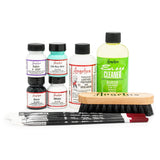
A cleaner formulated for white leather provides a material-specific option for removing dirt from compatible finished leather surfaces. Use a shoe care product such as the Angelus Ultimate Shoe Care Kit according to its application instructions and leather compatibility. Patch-test the selected product before wider use, and remove residue as directed. Check whether the formula includes conditioners, whiteners, or protectants that may affect the leather's color, gloss, or finish.
-
Vinegar and Olive Oil solution
White vinegar and olive oil can produce unpredictable results on white leather because vinegar is acidic and olive oil can leave persistent residue. Vinegar may affect certain leather finishes, while olive oil can cause uneven darkening, attract dirt, or alter the white appearance. Patch testing reduces risk but does not guarantee compatibility. A manufacturer-approved leather cleaner provides more controlled treatment than this improvised household mixture.
How Do You Remove Different Types of Stains From White Leather Sneakers?
To remove different types of stains from white leather sneakers, adjust the treatment to the stain type and affected area. For scuff marks, use a leather cleaner and rub gently in circular motions. For oil stains, blot excess oil, then apply an absorbent powder before cleaning. Jean stains require controlled treatment to lift transferred indigo dye, while coffee stains need prompt blotting and localized cleaning to prevent spreading and discoloration.
How Do You Remove Scuff Marks From White Leather Sneakers?
To remove scuff marks from white leather sneakers, first clear surface dirt, apply a compatible leather cleaner, work gently over the mark, and wipe away the loosened residue. Keep treatment localized and use light pressure because aggressive rubbing or abrasive tools can wear the white finish rather than remove the scuff.
Follow these steps to remove scuff marks from white leather sneakers:
-
Wipe loose dirt from the leather with a clean microfiber cloth before treating the scuffed area.
-
Apply a small amount of patch-tested leather cleaner to a clean cloth rather than directly saturating the sneaker.
-
Work over the scuff with light circular motions, using controlled pressure to loosen the surface mark.
-
Wipe away cleaner and loosened residue with a separate, lightly damp microfiber cloth.
-
Inspect the area after cleaning and repeat gently if needed. A mark with missing or damaged finish may be a scratch rather than a removable scuff.
How Do You Remove Oil Stains From White Leather Sneakers?
To remove oil stains from white leather sneakers, blot fresh oil, apply cornstarch or another absorbent powder, remove the absorbed residue, treat remaining oil with a patch-tested leather cleaner, wipe the surface clean, and air-dry the sneakers. Absorbing oil before wet cleaning helps draw residue from the leather while limiting moisture, rubbing, and potential damage to the white finish.
Clean oil stains from white leather sneakers with these steps:
-
Blot fresh oil with a clean, dry cloth without rubbing or spreading it across the white leather.
-
Cover the affected area with cornstarch or another suitable absorbent powder and leave it for several hours.
-
Gently remove the powder with a soft-bristled brush or dry cloth, checking seams and creases for trapped residue.
-
Treat remaining oily residue with a patch-tested leather cleaner and limited moisture.
-
Wipe the surface clean and let the sneakers air-dry naturally before applying compatible leather conditioner as needed.
How Do You Remove Jean Stains From White Leather Sneakers?
To remove jean stains from white leather sneakers, wipe away surface dirt, apply a patch-tested leather cleaner, gently work over the denim dye, remove loosened residue, and repeat as needed. Controlled cleaning lifts blue indigo transfer without excessive rubbing, and stopping if the white finish changes helps prevent surface damage or discoloration.
Try these steps to clean jean stains from white leather sneakers:
-
Wipe loose surface dirt from the affected leather with a clean, dry microfiber cloth.
-
Apply a small amount of patch-tested leather cleaner to a clean cloth, not directly onto the denim stain.
-
Work gently over the transferred dye with controlled circular motions and minimal pressure.
-
Wipe away loosened indigo dye and cleaner residue with a separate, lightly damp cloth.
-
Repeat the treatment gradually if discoloration remains, stopping if white pigment or finish begins transferring onto the cleaning cloth.
How Do You Remove Coffee Stains From White Leather Sneakers?

To remove coffee stains from white leather sneakers, blot fresh coffee, work from the stain edges toward the center, apply a patch-tested leather cleaner, wipe away residue, and air-dry the leather. Quick blotting prevents the coffee from spreading, while controlled cleaner application helps remove discoloration without saturating or damaging the white leather surface.
Apply these steps to remove coffee marks from white leather sneakers:
-
Blot fresh coffee with a clean, absorbent cloth without rubbing the liquid across the leather surface.
-
Work from the outer edge toward the center of the stain to limit spreading.
-
Apply a small amount of patch-tested leather cleaner with a clean microfiber cloth and gently work over the affected area.
-
Remove loosened coffee residue and cleaner with a separate, lightly damp cloth.
-
Let the treated leather air-dry at room temperature, and repeat the cleaning treatment if visible discoloration remains.
Can You Wash White Leather Sneakers?
Yes, you can wash white leather sneakers by hand with limited moisture, but you should not soak or submerge them in water. Use a damp microfiber cloth and leather-safe cleaner on the leather upper, and clean the laces, rubber soles, and lining separately. Keep water exposure low to protect the leather finish, adhesives, and sneaker shape, and check the manufacturer's care instructions before cleaning.
Follow these guidelines when washing white leather sneakers:
-
Use a damp microfiber cloth instead of soaking the leather in water.
-
Apply a compatible leather cleaner in a controlled amount.
-
Clean laces, rubber soles, and interior lining according to their materials.
-
Keep excess water away from seams, stitching, and adhesive areas.
-
Let the sneakers air-dry naturally at room temperature after cleaning.
Can You Wash White Leather Sneakers in a Washing Machine?
No, you should generally not wash white leather sneakers in a washing machine unless the manufacturer explicitly permits it. Water saturation, detergent exposure, drum agitation, and spin cycles can damage the leather finish, weaken adhesives, and deform the sneaker shape. Excess moisture can also cause stiffness, discoloration, and drying problems. Follow any brand-specific machine-washing method when one is explicitly provided.
How Do You Clean Different Parts of White Leather Sneakers?
To clean different parts of white leather sneakers, match the cleaning method to each material and control moisture around the leather upper. Clean leather-adjacent soles with a soft brush and suitable cleaner, treat exposed white rubber separately, spot-clean the interior with minimal moisture, and wash removable laces independently. Material-specific cleaning prevents unnecessary water or cleaning products from affecting the leather, lining, adhesives, or sneaker structure.
Use the following methods to clean each part of white leather sneakers:
-
White Leather Sneaker Soles
Remove loose dirt from sneaker soles with a soft-bristled brush, clean the tread and edges with a suitable cleaner, wipe away grime, and let the soles air-dry. Focus on grooves, midsoles, and outsoles where dirt can collect, while controlling moisture near the leather upper. Keep rubber-only cleaning products away from leather-adjacent sections unless the product is compatible with both materials.
-
White Rubber on Sneakers
Clean white rubber with a soft brush or microfiber cloth and a cleaner suitable for rubber surfaces. Work over dirt, surface marks, and buildup with controlled pressure, paying attention to toe caps, midsoles, and exposed rubber edges. Wipe away loosened grime and cleaner residue afterward. Avoid transferring strong rubber-cleaning products onto the white leather because they may affect its color, texture, or finish.
-
Inside of White Leather Sneakers
Clean the inside of white leather sneakers by removing loose debris, taking out removable insoles, and spot-cleaning the lining with minimal moisture. Use a lightly damp cloth and a suitable mild cleaner on visible dirt, sweat residue, or marks without soaking the interior. Keep the sneakers in a ventilated area until the lining and insoles are completely dry to prevent moisture from getting trapped.
-
White Sneaker Laces
Remove white sneaker laces before cleaning so you can treat dirt and stains without exposing the leather upper to unnecessary detergent or water. Wash fabric laces with a small amount of mild detergent and water, working gently over stained sections before rinsing away residue. Let the laces air-dry completely and reinstall them only after both the laces and sneakers are fully dry.
Do White Leather Sneakers Need Conditioner After Cleaning?
Yes, white leather sneakers do need a leather conditioner after cleaning to restore lost natural oils, keep the leather soft and flexible, and help prevent dryness or cracking. Cleaning can strip some oils from the leather surface, especially after repeated or deeper cleaning. Applying a thin, even layer of white leather conditioner after the sneakers have fully dried helps replenish moisture and maintain flexibility. Conditioning also supports the leather finish and reduces the risk of the material becoming stiff as it dries.
How Can You Care for White Leather Sneakers After Cleaning?
After cleaning, dry white leather sneakers completely, condition as needed, apply a compatible protector, maintain their shape, and remove new dirt promptly. Keep the sneakers in a dry, ventilated area away from direct sunlight and heat. Use shoe trees or suitable inserts to support their shape during storage. Wipe away fresh dirt and surface marks with a soft cloth before buildup develops, and use leather-safe care products as directed by the manufacturer to maintain flexibility and the white finish.
When Should You Polish White Leather Sneakers?
You should polish white leather sneakers after cleaning and complete air-drying when the finished leather needs a color touch-up, surface coverage, or a more even appearance. Choose a polish compatible with white leather, and patch-test it on a less-visible section before applying it more widely. Apply a small amount evenly and buff the surface gently according to the product instructions. Do not apply leather polish to suede, fabric, rubber, or other sneaker components because these materials require different care methods and products.
How Does Cleaning White Suede Shoes Differ From Cleaning White Leather Sneakers?
Cleaning white suede shoes requires drier, gentler methods than cleaning white leather sneakers because suede has a porous, textured nap, while finished leather has a smoother, less absorbent surface. Use a suede brush or eraser with minimal moisture on suede, while you can clean white leather with a damp microfiber cloth and leather-safe cleaner. Excess moisture can mark suede and affect its texture.
The table below compares the correct cleaning approach for white suede and white leather shoes:
|
Cleaning Factor |
White Suede Shoes |
White Leather Sneakers |
|
Surface structure |
Porous, textured nap |
Smooth, finished leather surface |
|
Cleaning tool |
Suede brush or suede eraser |
Microfiber cloth or soft-bristled brush |
|
Moisture use |
Keep moisture very low to protect the nap |
Controlled damp cleaning is generally suitable |
|
Surface dirt |
Brush gently in the direction of the nap |
Wipe or gently scrub with a leather-safe cleaner |
|
Stain treatment |
Use suede-specific dry or low-moisture treatments |
Use a compatible leather cleaner and targeted spot treatment |
|
Drying |
Air-dry naturally, then brush to restore the nap |
Air-dry naturally before conditioning or protecting |
|
Aftercare |
Use a compatible suede protector when suitable |
Use compatible leather conditioner or protector when needed |
What Mistakes Should You Avoid While Cleaning White Leather Sneakers?
Avoid using bleach or harsh detergents, machine washing, soaking the shoes, aggressive scrubbing, heat or direct sunlight, and skipping leather conditioner when the leather needs it. Each mistake exposes white leather to chemical, mechanical, moisture, or heat-related damage. The results may include discoloration, surface abrasion, dryness, deformation, weakened adhesives, or cracking. Controlled moisture, gentle cleaning, natural drying, and suitable leather care reduce these risks.
Common mistakes to watch for when cleaning white leather sneakers include:
-
Using bleach or harsh detergents
Avoid bleach, concentrated detergents, and strong chemical cleaners because they may strip oils and alter the protective finish of white leather. Chemical exposure may leave the surface dry, faded, discolored, or uneven. Bleach may also affect stitching and bonded materials around the leather. Repeated use increases the likelihood of surface deterioration, particularly on coated or finished white leather.
-
Machine washing
Do not put white leather sneakers in a washing machine unless the manufacturer specifically permits it. A wash cycle combines water saturation, detergent exposure, drum agitation, and spinning, stressing both the leather and sneaker construction. The process may deform the shoe, weaken adhesives, affect stitching, damage the leather finish, or leave saturated sections that dry unevenly.
-
Soaking the shoes
Keep white leather sneakers from becoming soaked or fully submerged, because prolonged water exposure lets moisture penetrate the leather, seams, lining, and bonded sections. Saturation may cause stiffness, shape changes, extended drying times, or separation around adhesive areas. Uneven water absorption may also alter the surface appearance, particularly when one section becomes substantially wetter than the surrounding finished leather.
-
Scrubbing too aggressively
Avoid forceful scrubbing and abrasive brushes because excessive friction wears against the finished leather surface. Heavy pressure may create scratches, remove surface coating, spread stains, or leave sections with an uneven texture or appearance. Creases, seams, edges, and already damaged areas face greater abrasion because repeated scrubbing concentrates friction on smaller sections of the sneaker.
-
Drying with heat or direct sunlight
Keep white leather sneakers away from hair dryers, radiators, heaters, and prolonged direct sunlight during drying. Rapid or uneven moisture loss may leave the leather stiff, warped, faded, or cracked. High temperatures may also weaken adhesives between sneaker components, while prolonged sunlight may contribute to uneven color changes across the white leather surface.
-
Skipping leather conditioner
Do not overlook conditioning when cleaning, as it can leave natural leather noticeably dry or stiff. Loss of surface oils may reduce flexibility and make the leather more susceptible to stiffness or cracking over time. Conditioning needs depend on the leather and finish, since coated surfaces and some sneaker leathers may not require the same treatment as natural finished leather.